
-
1810s–1840s
Early warning points
Harbor communities raised timber beacons and fuel lights to mark shoals at river mouths and headlands.
-
1850s–1910s
Keeper-era expansion
Stone and cast-iron towers formed a documented network, with keeper logs recording storms, rescues, and daily signal duty.
-
1920s–today
Automation and preservation
Automation reduced staffing, while local historians and trusts preserved surviving towers as cultural landmarks.
History
Beacon years along the northern coast
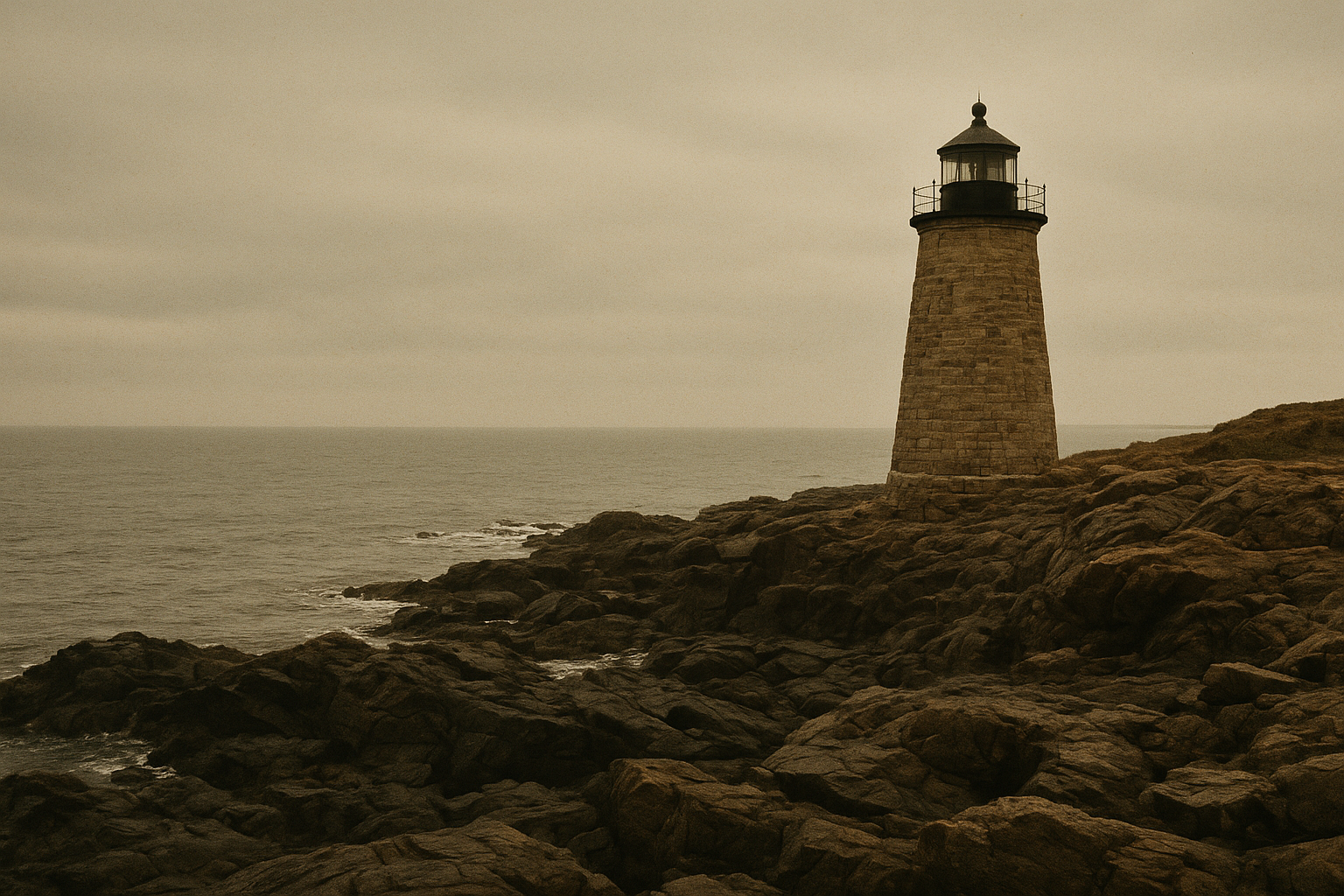
From first warning fires to staffed towers and preservation campaigns, this coast built a chain of lights that shaped travel, trade, and community memory.
Keeper stories
Lives kept in the lantern light
Short excerpts from the northern coast records, where routine work, weather, and memory shaped each station.
Story 01 · Winter watch
Margaret Hallow, 1912
During a week of sleet and failed telegraph lines, Hallow logged each fog signal by hand, then stitched oilskin gloves between shifts so her crew could keep the lamp room open through the storm.
Read in HistoryStory 02 · Supply tide
Elias Brenn, 1936
Brenn timed weekly landings to a narrow tide window, carrying coal, ledgers, and milk up 122 steps before noon, then teaching local children chart symbols in the watch room each Sunday.
Read in HistoryFrom a logbook excerpt
At dusk the sea looked iron-gray, but the beam held steady; every passing vessel answered with one brief horn, as if to say they had found their bearings.
Story 03 · Lantern repair
Nora Vale, 1951
After a cracked lens panel was spotted at dawn, Vale cataloged every prism shard, coordinated a harbor glassmaker, and restored the evening rotation in time for the first autumn fishing convoy.
View related tower on map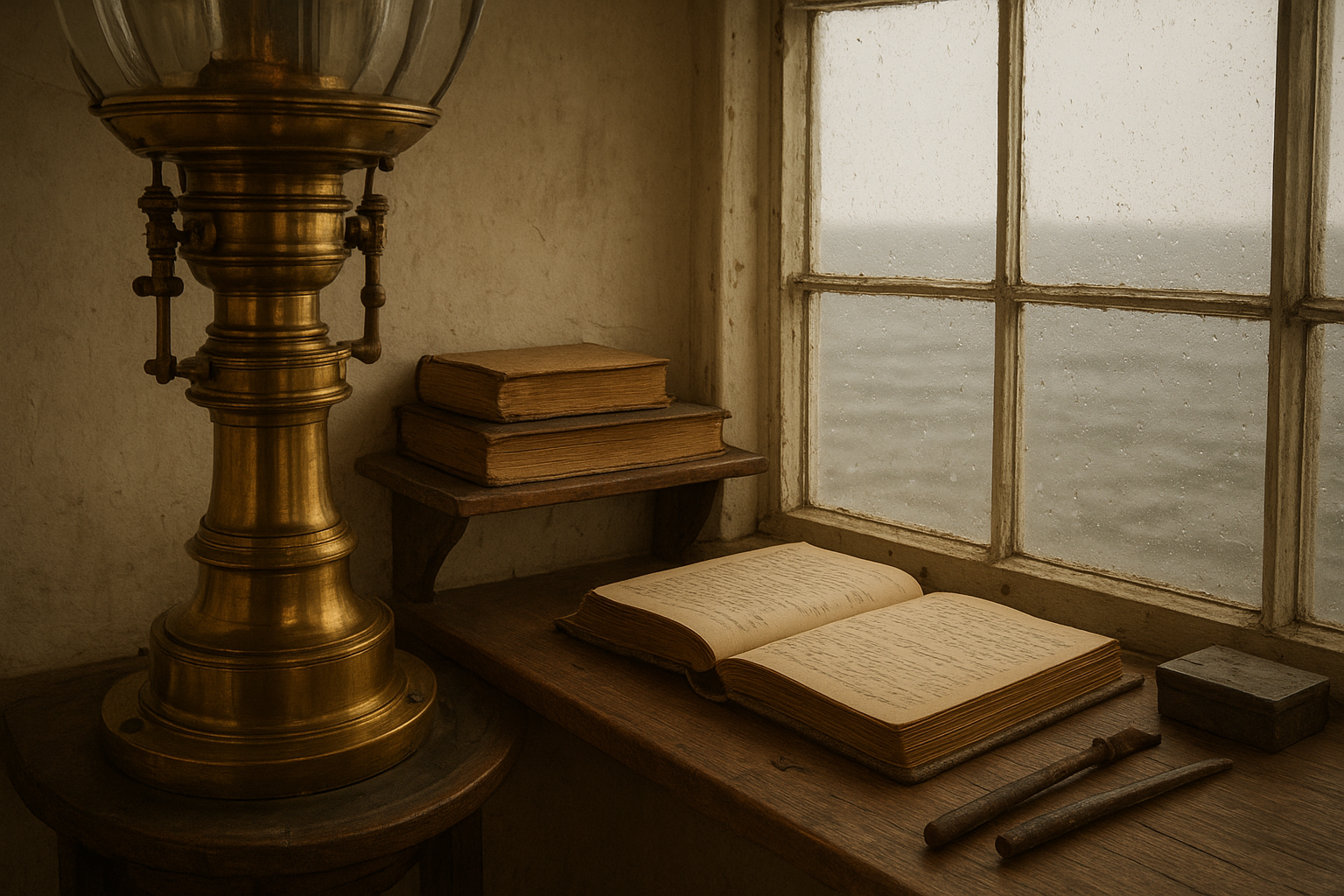
Quick Reference
Lighthouse timeline FAQ
Concise answers to frequently asked historical questions.
When were the northern coast towers first established?
Most surviving records place the first major tower construction in the early to mid-1800s, with several sites expanded or rebuilt by the late 19th century.
Why did these lighthouses matter so much?
They marked dangerous headlands, reefs, and harbor approaches, reducing shipwreck risk and making regional trade, fishing, and passenger routes far more reliable.
What was daily life like for lighthouse keepers?
Keepers maintained lamps and lenses, monitored weather, logged vessel movement, and performed routine repairs—often in isolation and in all seasons.
How did automation change lighthouse operations?
From the mid-20th century onward, electric beacons, remote monitoring, and automated fog signals gradually reduced full-time keeper staffing at many stations.
What survives from that lighthouse era today?
Across the coast, preserved towers, foundations, keeper houses, archival photographs, and maintenance logs continue to document beacon history and regional maritime life.